
Description
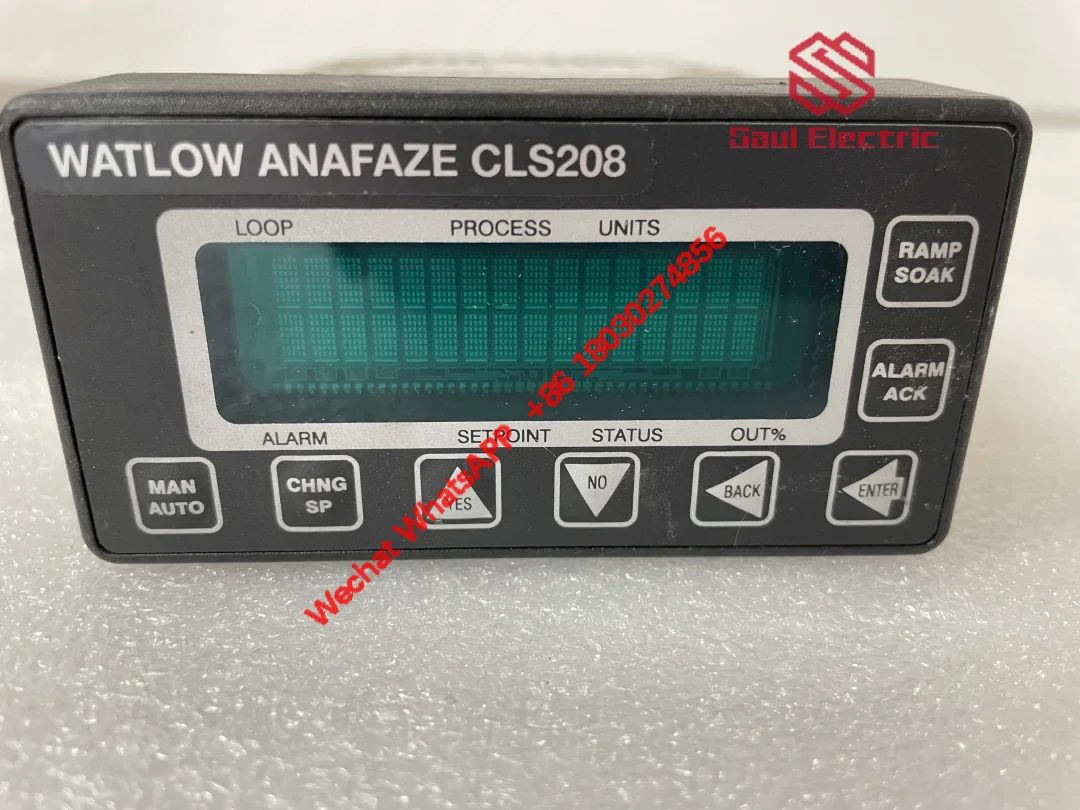
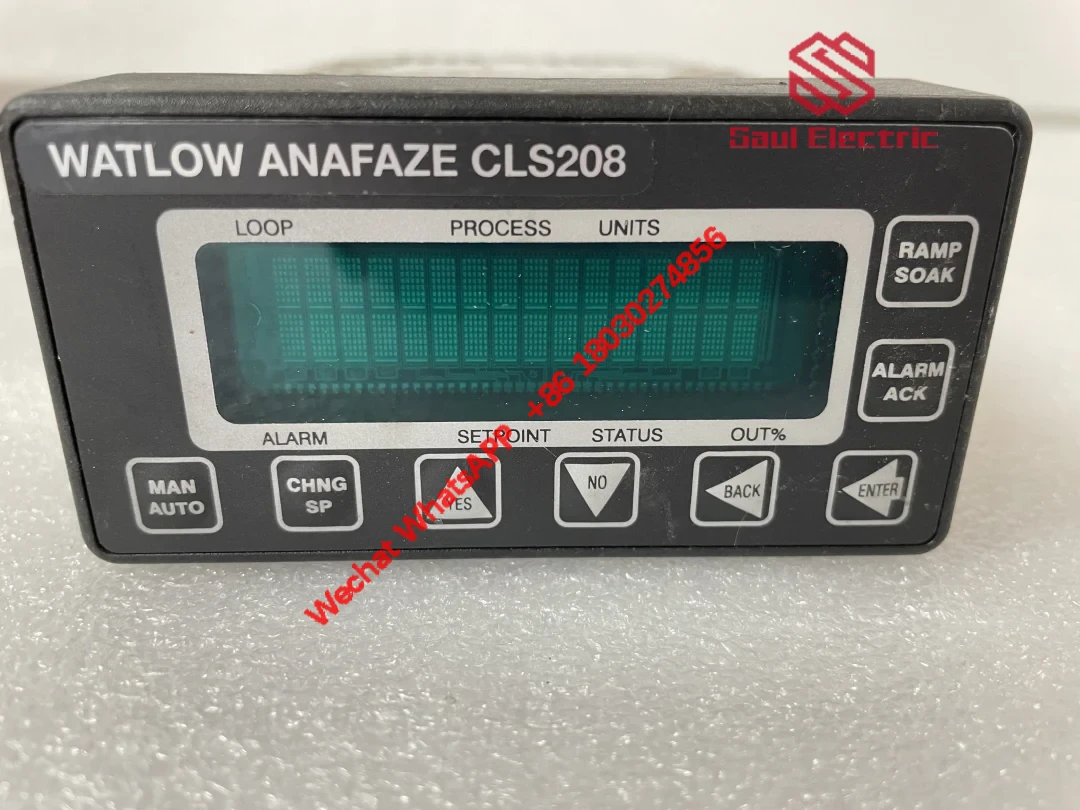
WATLOW ANAFAZE CLS208: Precision Distance & Level Measurement in Demanding Environments
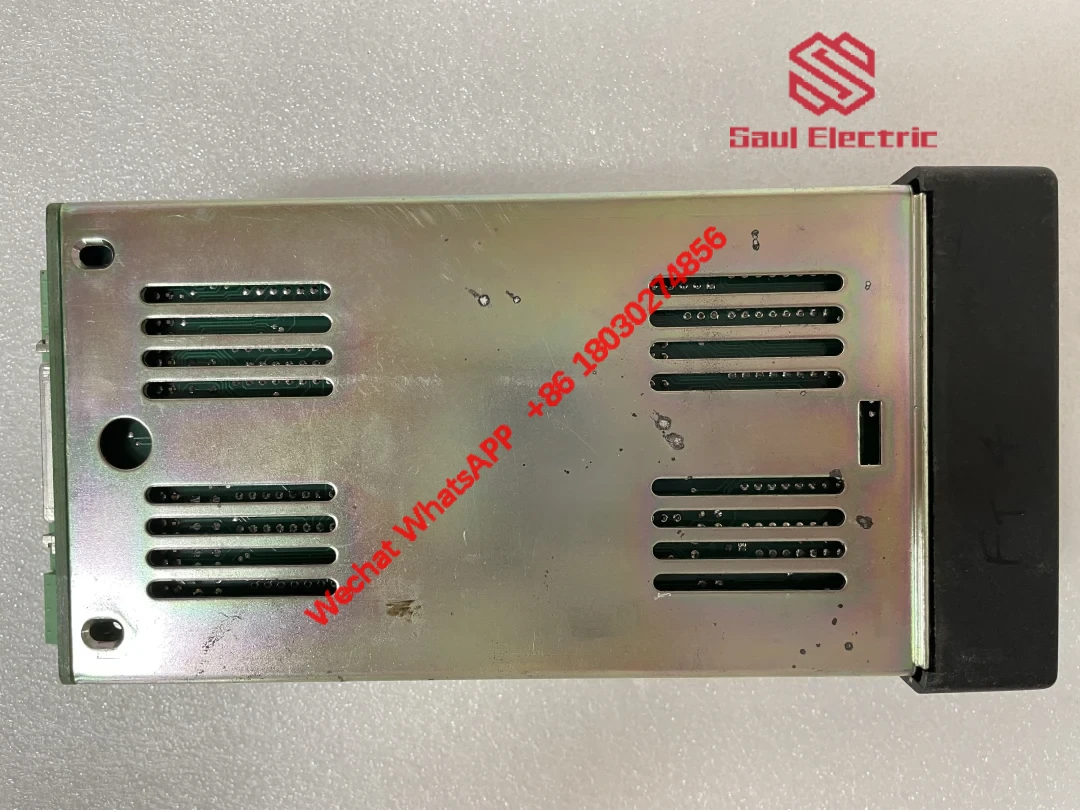
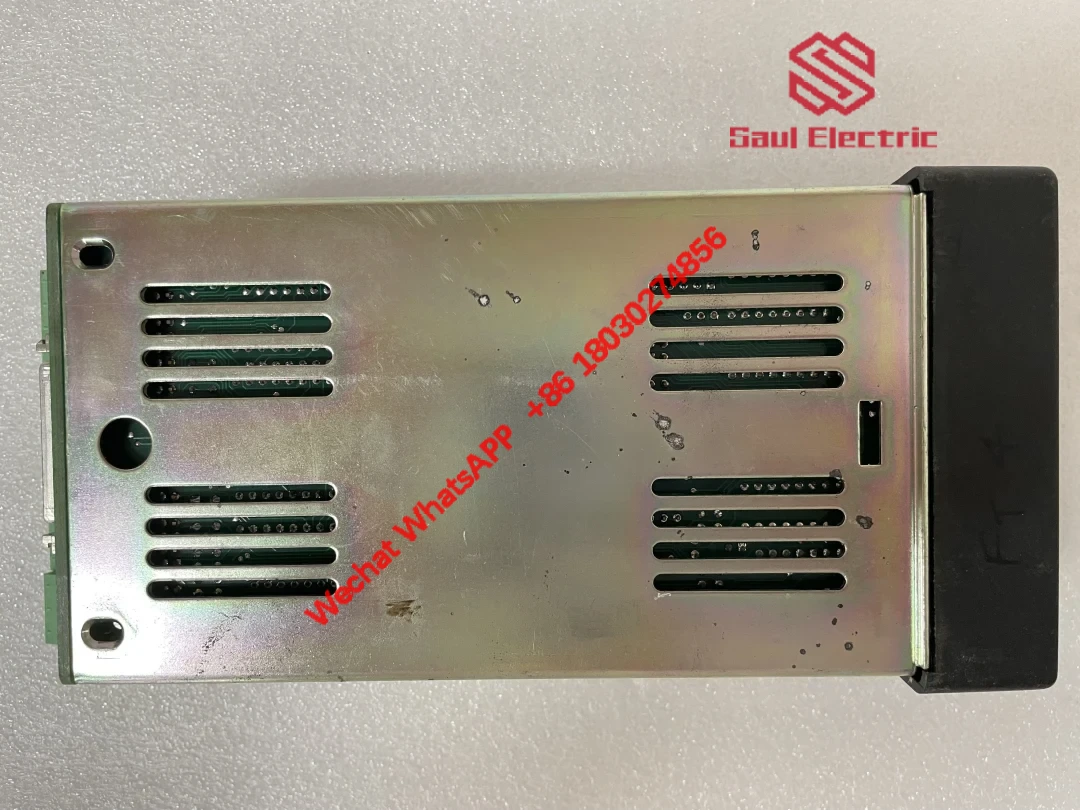
The WATLOW ANAFAZE CLS208 ultrasonic sensor delivers consistent performance for critical distance and level monitoring tasks. Originally engineered for industrial settings like chemical processing plants and water treatment facilities, this device handles challenging conditions where accuracy matters most. Operators rely on its stable readings for tank level control, automated machinery positioning, and material handling applications.
| Specification | Details |
|---|---|
| Brand | WATLOW ANAFAZE |
| Model | CLS208 |
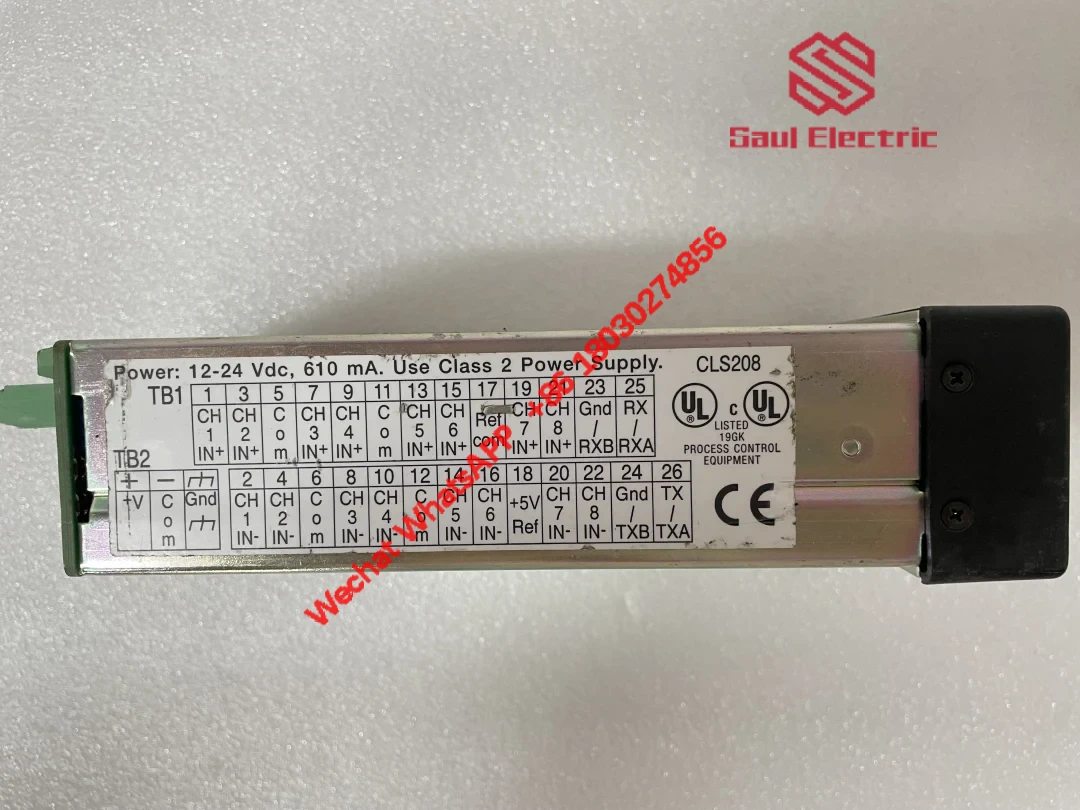
| Operating Voltage | 220 VAC |
| Output Frequency | 30 kHz |
| Certifications | CE, UL Listed |
| Material Code | CLS208 |
Real-World Applications & Compatible Systems
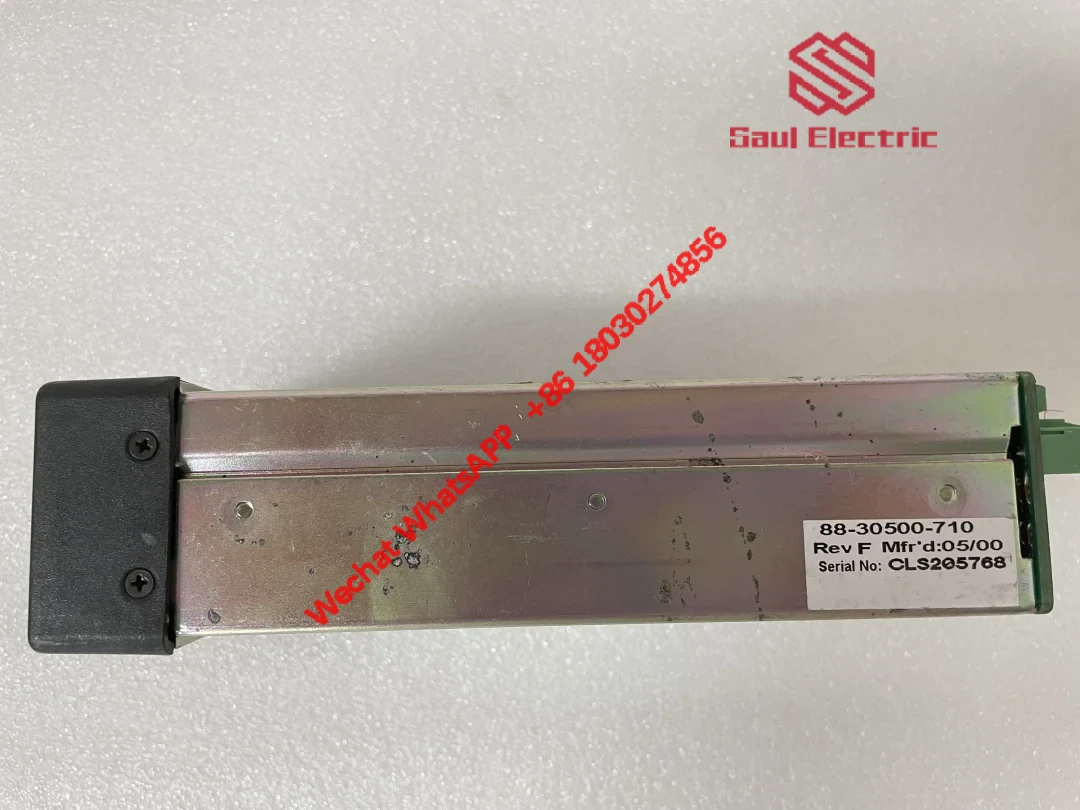
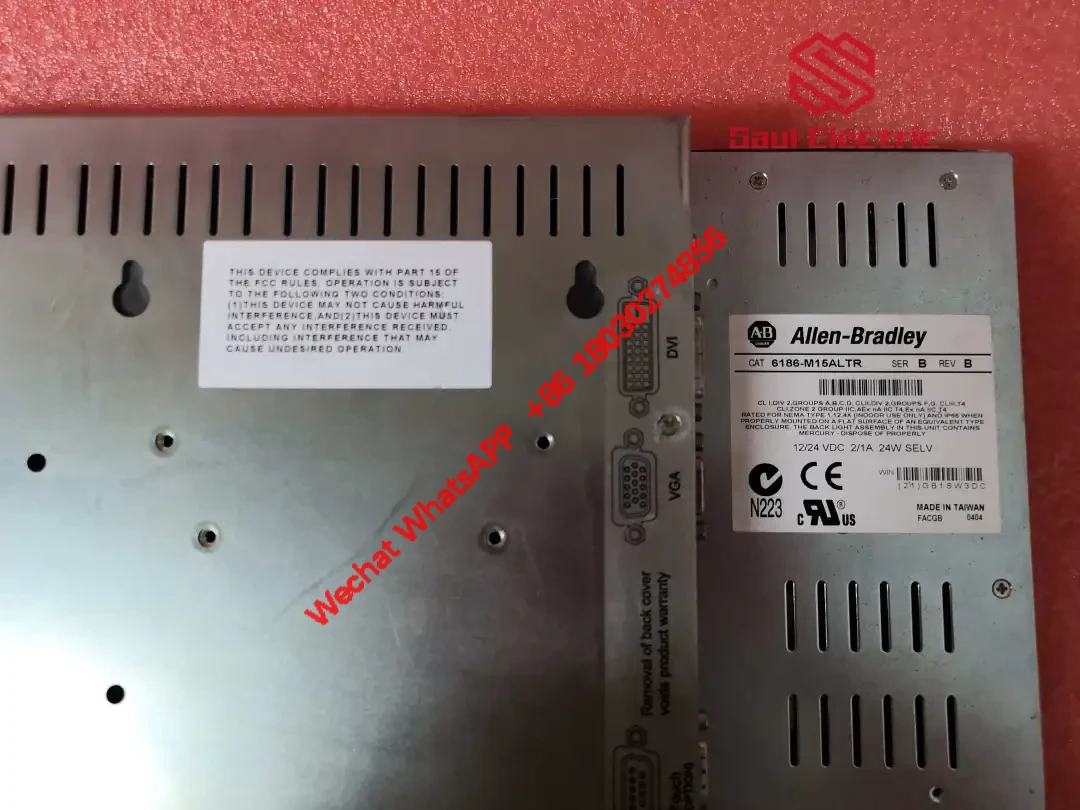
For instance, a plant engineer at a Midwest chemical facility recently replaced aging radar sensors with CLS208 units for 15% faster response times in corrosive vapor environments. This model integrates seamlessly with legacy PLC systems like Allen Bradley ControlLogix and Siemens S7-1200 controllers. Our inventory also includes complementary WATLOW temperature controllers (e.g., 96TC series) and alternative ultrasonic solutions such as the Siemens SITRANS WS200.
Technical Advantages & Design Features
What sets the CLS208 apart is its proprietary signal processing algorithm that reduces false readings from airborne contaminants. The rugged PVDF transducer housing resists aggressive chemicals better than standard PVC alternatives. Despite its 220V requirements, the unit maintains ±0.5% accuracy across wide temperature ranges (-20°C to +60°C). For redundancy-critical systems, dual-channel configurations can be paired with Triconex safety PLCs using 4-20mA analog interfaces.
Personally, I found the adjustable beam angle particularly useful during a wastewater project where tank obstructions created dead zones. The compact M30 mounting footprint allowed direct replacement of competitor models without modifying existing brackets. Just remember to verify minimum installation clearance – we’ve seen issues when engineers underestimated the 300mm blind zone during retrofit applications.
Reviews
There are no reviews yet.