
The reporter learned from the National Pipeline Network Group that on December 10th, the first full-scale venting test of a 10 megapascal high-pressure hydrogen pipeline in China was successfully implemented. This test is like a “safety simulation test” for hydrogen pipelines, filling the technical gap in this field in China and marking a new level of safety technology for hydrogen pipelines in China.
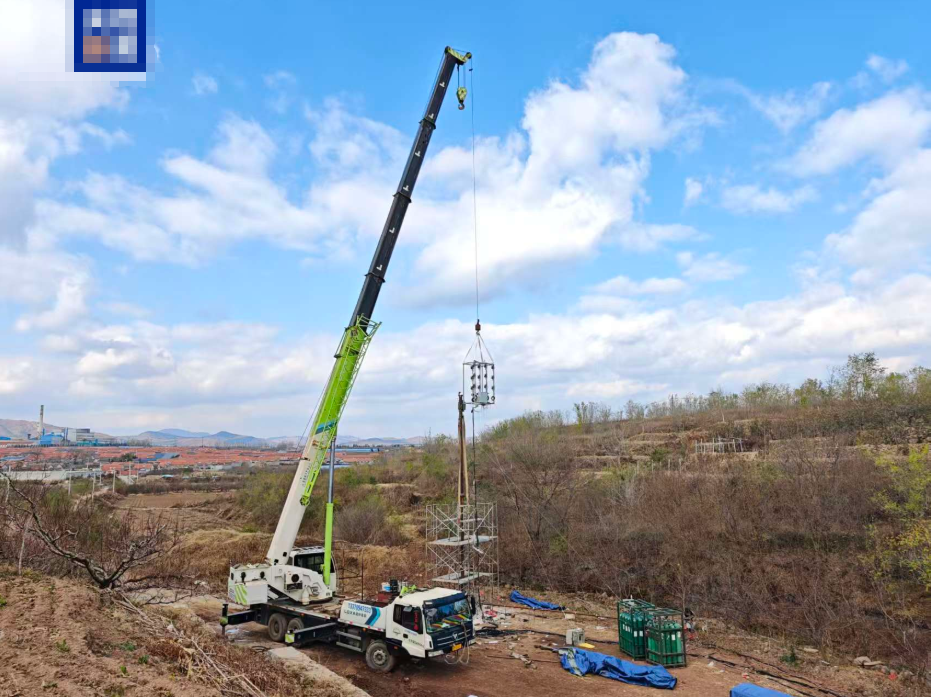
To achieve widespread application of hydrogen energy, it is necessary to ensure the safety and stability of long-distance transportation of hydrogen gas. During pipeline operation, sometimes planned maintenance is required or unexpected situations arise, in which case it is necessary to quickly and safely discharge the hydrogen gas inside the pipeline – this process is called “venting”. The core issue to be addressed in this venting test is how to ensure that high-pressure hydrogen does not pose a danger or cause any impact on the outside world during venting.
This experiment constructed a complete simulation testing platform, which realistically reproduced the different scenarios in which the pipeline needs to discharge hydrogen gas during actual operation, including safe emissions from non ignition and ignition combustion, and tested the safety performance under various pressure and working conditions. The research results will be directly applied to the construction of large-diameter hydrogen pipelines in the future, improving the safety level of pipeline operation.
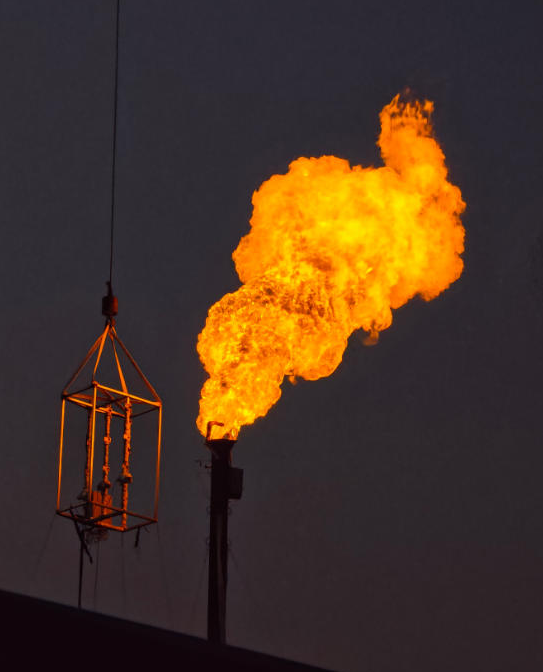
Yu Bin, Director of the New Energy Engineering Technology Center of the National Pipeline Network Group Engineering Technology Innovation Company, introduced that through the experimental platform, the system has obtained core parameters such as hydrogen concentration distribution, flame structure, thermal radiation intensity, and influence range. It can clearly grasp the flow and diffusion laws of hydrogen venting under high pressure conditions, and achieve full coverage of multiple pressure levels from 1MPa to 10MPa, multiple riser heights, multiple riser diameters, and different flame arrester configurations.
The success of this experiment not only solves a key technical problem in hydrogen storage and transportation, but also accumulates important experience for China’s hydrogen energy storage and transportation safety technology. The relevant achievements will help improve the safety standards of the hydrogen energy industry, promote the coordinated development of various links in the hydrogen energy industry chain, and provide solid guarantees for the large-scale application of hydrogen energy in China.